Elevate Your Home With Professional Architecture Services
Advancing a home through expert design consultation involves more than just aesthetics. It involves a deep understanding of usable design and local building codes. Engaging an experienced architect can address everyday obstacles while strengthening property equity. The process is systematic and thorough, guaranteeing that every detail harmonizes with the homeowner's expectations. Yet, many homeowners struggle to progress through this journey effectively. What steps can they take to cement a successful partnership?
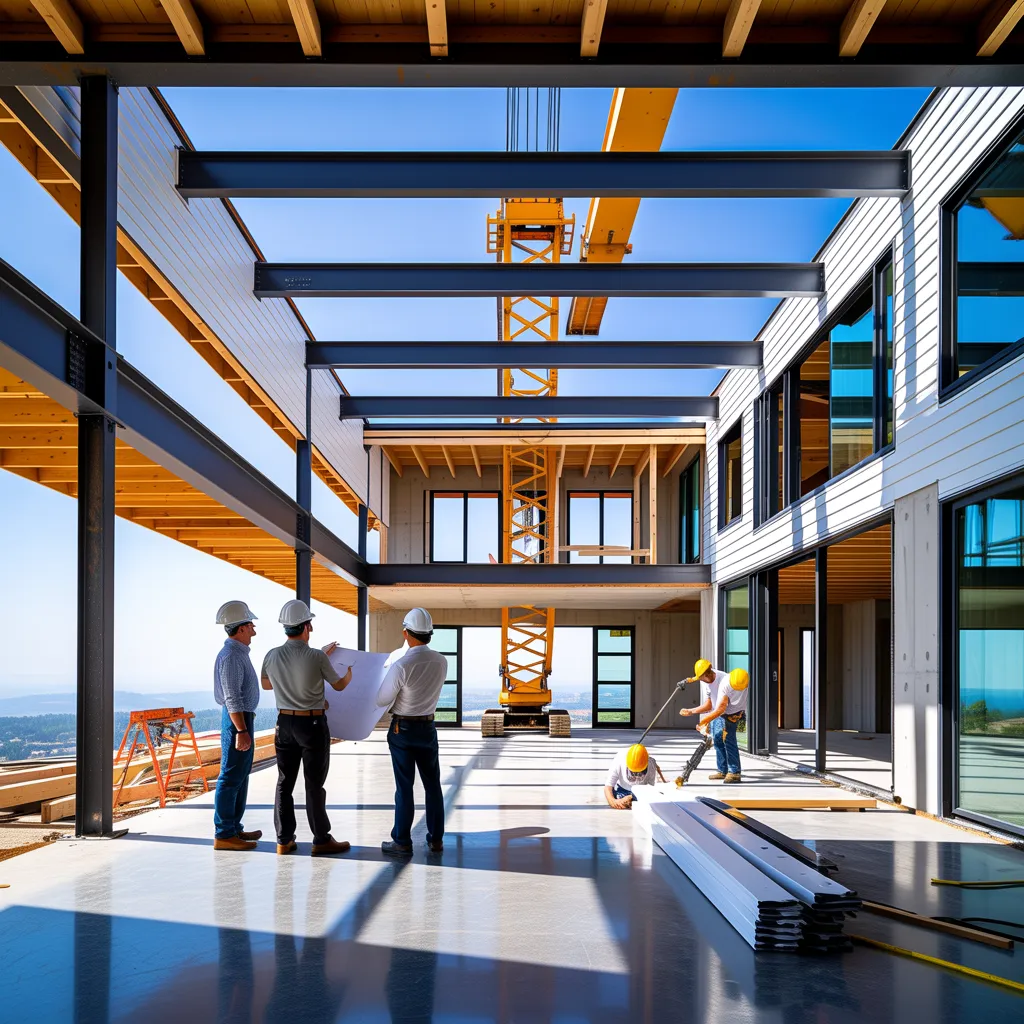
Common Home Design Challenges and How Architects Support
What renders home design so tough for countless homeowners? The difficulty of combining aesthetic tastes with refer to resource functional requirements often overwhelms them. Homeowners regularly face challenges with room constraints, financial constraints, and legal requirements, complicating harder. Additionally, many do not have the required expertise needed to manage structural challenges and building codes.
Architects execute an essential role in relieving these challenges. Their training equips them to navigate the intricacies of planning, ensuring that a homeowner's goal aligns with realistic realities. Architects can present innovative answers to optimize space while adhering to security norms. They also assist in creating integrated designs that illustrate the homeowner's manner. By communicating understanding into materials and building methods, architects help streamline the decision-making activity. Ultimately, their expertise transforms a seemingly intimidating endeavor into a cooperative journey, encouraging a harmonious balance between imagination and usefulness in residential planning.
Perks of Hiring a Professional Architect
Working with a seasoned professional improves the house design undertaking by blending professional insight with the client's objectives. Architects provide a comprehensive skill set in design methodology, regulatory codes, and environmental methods, guaranteeing that the project not only reaches visual targets but also complies with codes. Their talent for imagining and articulate difficult concepts supports translating intangible notions into tangible designs.
Furthermore, architects can offer creative approaches to spatial challenges, improving layout and functionality. They also oversee the intricacies of the building phase, collaborating with contractors and suppliers to guarantee schedules and finances are maintained. This professional oversight minimizes potential errors and reduces the pressure associated with home building or renovation. Ultimately, collaborating with an architect results in a well-designed, cohesive space that reflects the homeowner's character while enhancing overall property value.
What Are the Key Steps in the Building Design Workflow?
In what way does the architectural process progress from initial idea to conclusion? The journey begins with an first meeting, where the designer and client explore objectives, needs, and budget. This stage is critical for establishing a clear vision. Next, the designer conducts site analysis, evaluating considerations like topography, climate, and zoning regulations.
Subsequently, the design work commences. At this stage, sketches and digital models are fashioned, allowing the client to comprehend the project. Once the design is established, the architect drafts detailed construction documents, containing specifications and drawings.
After securing required permits, the project moves into the construction phase. The architect frequently collaborates with contractors to guarantee that the plan is implemented correctly. Frequent site visits and assessments help preserve standards and adherence to the original vision. Finally, the project culminates in a walkthrough, verifying that the finished structure meets the client's expectations before the official handover.
How Do You Locate the Perfect Architect for Your Home?
Choosing the appropriate professional for a property involves thoughtful consideration and research. Aspiring property owners should commence by defining their particular needs and budget, which will inform their pursuit. Guidance from contacts, family, or real estate professionals can furnish worthwhile connections. Online portfolios and reviews assist in appraising an designer's previous projects and customer happiness.
Next, interested parties should speak to several prospects to evaluate their speaking approach, expertise, and design approach. It's critical to address project parameters and timeline expectations to confirm alignment. Additionally, confirming qualifications and verifying appropriate certifications and licenses can circumvent subsequent difficulties.
To conclude, property owners should trust their instincts. The ideal architect should not only command the necessary skills but also harmonize with the homeowner's direction and standards. This mutual understanding supports a collaborative environment, finally facilitating a successful partnership in realizing a cherished residence.
Ways to Convey Your Direction Competently
Effectively conveying a concept for residential design is essential for a successful collaboration between homeowners and design professionals. To achieve this, homeowners should begin by distinctly outlining their needs and tastes. Developing a mood board with photographs, hues, and materials can assist in conveying aesthetic preferences. Additionally, outlining practical requirements, such as room size and floor plan, guarantees that the designer understands functional aspects.
Property owners should also engage in open dialogue, encouraging inquiries and input to improve their direction. Frequent meetings throughout the planning phase encourage teamwork and openness. Using clear communication to convey thoughts and worries can avert confusion and help match expectations.
To summarize, valuing the architect's expertise allows for a more engaging interaction. By combining personal vision with professional insight, homeowners can develop a constructive relationship that delivers a beautifully designed space reflecting their aspirations.
How to Budget for Architectural design Services
As you start a home design project, establishing a budget for architecture services is critical to prevent financial strain later. Homeowners should begin by researching typical fees in their area, which can vary based on the project's complexity and the architect's experience. It is sensible to allocate a percentage of the overall project cost specifically for architectural services, typically ranging from 5% to 15%.
Next, interested customers should determine the scope of services called for—whether they desire full design and project coordination or only initial consultations. Maintaining open discussions with prospective design experts concerning their fee structures can provide understanding on expenses.
Additionally, homeowners should take into account unexpected expenses and potential revisions, building a buffer into the budget. By clearly defining their financial parameters upfront, clients can ensure they select an design expert who reflects their vision while remaining within their budget constraints.
Frequently Inquired Questions
What Styles of Building Design Are Available for My Home?
Homeowners can select from various architectural styles, including modern, traditional, colonial, Mediterranean, and contemporary. Each style provides unique visual appeal and practical features, enabling individuals to showcase personal taste while taking into account regional influences and environmental factors.
How Much Time Does the Structural Design Process Typically Consume?
The architectural process typically necessitates several months, reliant on project complexity, design clearances, and local regulations. Elements such as client feedback and work schedules can also affect the schedule markedly during the entire process.
Can Design specialists Lend expertise To Environmentally conscious Development Choices?
Architects can certainly help sustainable design options. They integrate eco-friendly materials, energy-efficient systems, and innovative layouts, ensuring projects reduce environmental impact while maximizing functionality and aesthetic appeal, matching with clients' sustainability goals successfully.
What Requirements Should I Find in an Architectural Expert?
When engaging an architect, one should examine their qualifications, accreditation, experience in relevant projects, selection of projects highlighting their design sensibility, and knowledge of local regulations. Communication skills and client testimonials also prove essential in the evaluation process.
What Method Do Building Designers Use to Address Zoning and Permit Concerns?
Architects navigate regulatory challenges by conducting thorough research on local regulations, preparing necessary documentation, and communicating to municipal authorities. Their expertise guarantees compliance, streamlining the permitting timeline for client projects efficiently.